

1. Rising energy and petrol prices
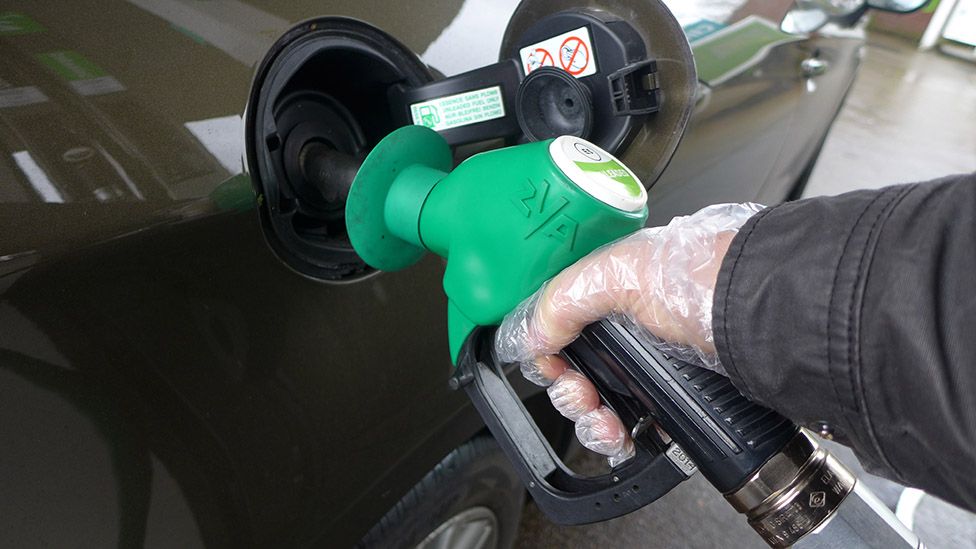
Oil prices slumped at the start of the pandemic, but demand has rocketed back since, and have hit a seven-year high.
In the US gasoline currently costs an average of $3.31 a gallon – up from $2.39 a gallon a year ago. It’s a similar story in the UK and the EU.
The price of gas has also shot up, leaving people around the world with eye-watering central heating bills.
Demand from Asia has driven up prices, along with a cold winter in Europe last year, which depleted gas reserves. https://buy.tinypass.com/checkout/template/cacheableShow?aid=tYOkq7qlAI&templateId=OTBYI8Q89QWC&templateVariantId=OTV0YFYSXVQWV&offerId=fakeOfferId&experienceId=EXAWX60BX4NU&iframeId=offer_0e763acc7b457c03340a-0&displayMode=inline&widget=template&url=https%3A%2F%2Fwww.bbc.com
- Petrol prices: Are we paying too much at the pump?
2. Goods shortages

The price of many everyday consumer goods jumped during the pandemic.
Consumers stuck at home during lockdown last year splashed out on household goods and home improvements because they couldn’t go to restaurants or on holiday.
Manufacturers in places such as Asia – many of which faced shutdowns due to Covid restrictions – have struggled to keep up with demand since then.
It’s led to shortages of materials such as plastic, concrete and steel, driving up prices. Timber cost as much as 80% more than usual in 2021 in the UK and reached more than twice its typical price in the US.
Major US retailers Nike and Costco have put up their prices because of higher supply chain costs.
And there’s a shortage of microchips, which are vital components in cars, computers and other household goods.
3. Shipping costs
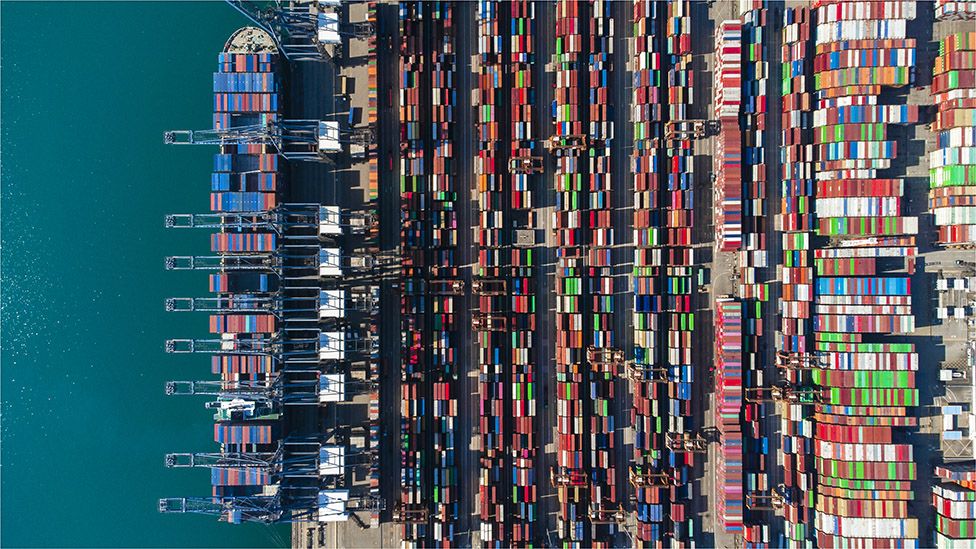
Global shipping companies – which move goods around the world – have been overwhelmed by surging demand after the pandemic.
It’s meant retailers have had to pay a lot more to get those goods into stores. As a result, prices have been passed on to consumers.
Sending a single 40ft container from Asia to Europe currently costs $17,000 (£12,480) – 10 times more than the year before, when it was $1,500 (£1,101).
It’s been accompanied by a rise in air freight fees and made worse by a lorry driver shortage in Europe.
Transport bottlenecks appeared to be easing in December, with the US starting to get on top of record congestion at its ports.
But Omicron and the emergence of future Covid variants could reverse these gains.
Read full article(reference): https://www.bbc.com/news/business-59982702